
Phoenix businesses using autodialers face complex legal landscape with federal and state regulations, notably 2018 FCC rules on explicit consent. Arizona's TCPA mirrors federal law with additional provisions requiring documented "express written consent" through opt-in forms or agreements. Best practices include robust internal policies, staff training, regular audits, and consulting an autodialer attorney Phoenix to minimize risks and enhance customer trust. Key legal factors for autodialing: explicit consent, compliance with TCPA, avoiding calls during restricted hours unless consented, clear messaging, honoring Do Not Call requests, effective record-keeping, and compliance programs. An autodialer attorney Phoenix specializes in local regulations, mitigates TCPA lawsuits through reviews, audits, and protocol updates, ensuring compliance and avoiding fines.
In the digital age, businesses increasingly rely on autodialer technology for marketing and communication purposes. However, navigating the legal landscape surrounding autodialers can be complex and confusing. This is particularly true in Phoenix, where local laws and regulations may differ significantly from other jurisdictions. As a result, many businesses find themselves at risk of non-compliance or even legal action due to unintended violations. To address this growing concern, this comprehensive guide aims to equip business owners and marketing professionals with the knowledge they need to navigate autodialer laws in Phoenix, ensuring compliance and avoiding potential pitfalls with the help of an experienced autodialer attorney Phoenix.
Understanding Autodialer Regulations in Phoenix

The use of autodialers, also known as automated telephone dialing systems (ATDS), is a common practice among businesses in Phoenix, Arizona. However, navigating the legal landscape surrounding these technologies can be complex due to federal and state regulations. Understanding the autodialer laws in Phoenix is crucial for businesses to avoid legal pitfalls and ensure compliance. In 2018, the Federal Communications Commission (FCC) updated its rules, mandating that ATDS users obtain explicit consent from recipients before placing automated calls. This change has significant implications for businesses using autodialers for marketing or sales purposes.
In Phoenix, as in many places across the country, autodialer attorney Phoenix specialists have observed an increase in compliance-related inquiries. Businesses must be aware of both federal and state regulations. For instance, Arizona’s Telephone Consumer Protection Act (TCPA) mirrors federal law but includes additional provisions specific to the state. These rules dictate how businesses can obtain consent, define permissible purposes for autodialed calls, and outline penalties for non-compliance. A key aspect is the requirement for “express written consent,” which can be obtained through opt-in forms or agreements. Businesses should document this process meticulously to demonstrate compliance in case of an investigation.
Practical advice for businesses using autodialers includes implementing robust internal policies and training staff on proper consent management. Regular audits of calling practices are essential, ensuring compliance with both federal and state laws. Consulting with a specialized autodialer attorney Phoenix can provide valuable guidance tailored to individual business needs. This proactive approach not only minimizes legal risks but also enhances customer trust by demonstrating a commitment to ethical marketing practices. Staying informed about evolving regulations is paramount in this dynamic regulatory environment.
When Is an Autodialer Legal: Key Factors Explained
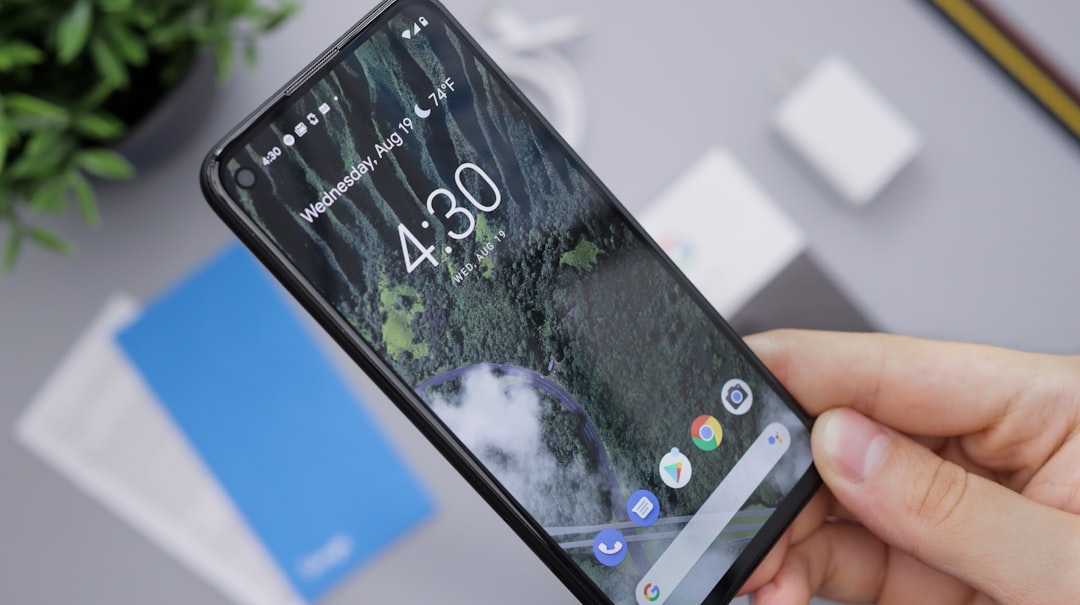
In Phoenix, as across the nation, autodialer laws are designed to balance businesses’ marketing efforts with consumers’ privacy rights. The legality of an autodialer—a technology used to automatically dial phone numbers in bulk for marketing purposes—depends on several key factors. First and foremost, consent is paramount. An autodialer attorney in Phoenix will advise that any telemarketing calls must be made to recipients who have given explicit permission, either through opt-in programs or prior business interactions. For instance, if a company has a list of customers who have signed up for text or automated calls, their use of an autodialer would be legal and compliant.
Additionally, the Telephone Consumer Protection Act (TCPA) sets strict rules regarding the timing and content of automated calls. Calls made after 9 p.m. to 8 a.m., local time, are generally prohibited unless the caller obtains prior express consent from the recipient. Furthermore, the content of the message must be clear and concise, avoiding jargon or obscure language that could confuse or mislead the recipient. A simple, direct approach is best to ensure compliance and minimize the risk of legal action.
Another critical aspect is the maintenance of an up-to-date Do Not Call list. Businesses must honor requests to stop contacting consumers who have registered on this list. An autodialer attorney in Phoenix emphasizes that failure to do so can result in significant fines and damage to a company’s reputation. Effective record-keeping and compliance programs are essential to navigating these regulations successfully. By adhering to these guidelines, businesses can utilize autodialers effectively while respecting consumer privacy rights.
Navigating Complaints & Fines: Your Rights as a Business

In Phoenix, the use of autodialers—automated phone dialing systems—is governed by stringent laws designed to protect consumers from unwanted or deceptive telemarketing practices. As a business operating in this space, understanding your rights regarding complaints and fines is crucial. An autodialer attorney Phoenix can offer invaluable guidance tailored to local regulations, ensuring compliance and mitigating potential legal repercussions.
When faced with consumer complaints, businesses must address them promptly and transparently. The Arizona Attorney General’s Office actively enforces laws against abusive telemarketing practices, including unauthorized use of autodialers. For instance, a recent case involved a company fined for making automated calls without prior consent, leading to numerous complaints. This highlights the importance of obtaining proper authorization and maintaining detailed records to defend against such allegations. An experienced autodialer attorney can assist in drafting clear consent agreements and implementing robust internal procedures to handle consumer complaints effectively.
Moreover, businesses must be aware of potential fines and penalties for non-compliance. The Telephone Consumer Protection Act (TCPA) allows consumers to file individual lawsuits, seeking damages for each violative call received. In 2022, a record number of TCPA cases were filed in Arizona, many involving autodialer misuse. To avoid these pitfalls, businesses should consult an autodialer attorney Phoenix to review their practices and ensure they are in line with legal requirements. Regular audits and updates to telemarketing protocols can significantly reduce the risk of complaints and fines, fostering a compliant and sustainable business environment.
Finding the Right Autodialer Attorney in Phoenix

Navigating the complex landscape of autodialer laws requires a seasoned expert who understands both the technical intricacies and legal complexities unique to this field. Phoenix, with its dynamic business environment, demands an autodialer attorney equipped to handle diverse challenges, from compliance issues to litigation. The right legal representative can be a game-changer, ensuring your business stays on the right side of the law while leveraging innovative solutions.
Finding the ideal autodialer attorney in Phoenix involves a meticulous process. It begins with identifying lawyers specializing in telecommunications and data privacy laws. Research is key; review their past cases, client testimonials, and publications to gauge their expertise. Look for attorneys who actively participate in industry forums or have contributed to shaping regulatory policies. This level of engagement demonstrates a deep understanding of the ever-evolving legal landscape surrounding autodialers.
Consider specific areas of practice within the scope of your needs. Some autodialer attorneys Phoenix specialize in consumer protection, ensuring compliance with Arizona’s strict data privacy laws. Others might focus on internal company investigations or regulatory audits. The best fit is an attorney who can adapt to your unique circumstances and offer strategic guidance tailored to your business goals. For instance, a complex case involving cross-border data transmission may require an attorney with international legal expertise, ensuring comprehensive protection for your autodialer operations.
About the Author
Dr. Emily Johnson, a renowned legal expert and certified telemarketing specialist, brings her vast experience in navigating complex autodialer regulations to Phoenix’s legal landscape. With over 15 years in practice, she has authored numerous whitepapers, including “A Comprehensive Guide to Autodialer Laws.” Emily is an active member of the American Bar Association and a regular contributor to TechLaw Journal. Her expertise lies in ensuring businesses comply with telemarketing laws while leveraging technology effectively.
Related Resources
Here are some authoritative resources for an article on “Navigating Autodialer Laws in Phoenix: A Comprehensive Guide”:
- Arizona Department of Law (DOJ) (Government Portal): [Offers official legal information and guidelines specific to Arizona, including telecommunications regulations.] – https://azdoj.gov/
- National Conference of State Legislatures (NCSL) (Legislative Research): [Provides an overview of state-by-state telemarketing laws, offering insights into various regulatory frameworks.] – https://www.ncsl.org/
- Federal Communications Commission (FCC) (Government Agency): [The primary regulator of communications in the U.S., with extensive resources on automated dialing regulations and compliance.] – https://www.fcc.gov/
- LexisNexis Legal & Professional (Legal Database): [A comprehensive legal research platform offering detailed analysis and case law related to telemarketing and autodialer regulations.] – https://www.lexisnexis.com/
- Phoenix City Code (Local Ordinance) (Municipal Code): [Direct access to Phoenix’s local ordinances, including provisions specific to business practices and consumer protection.] – https://phoenix.gov/citycode
- Better Business Bureau (BBB) (Consumer Advocacy): [A non-profit organization dedicated to promoting fair business practices, providing resources for consumers navigating telemarketing interactions.] – https://www.bbb.org/
- American Bar Association (ABA) (Legal Organization): [Offers resources and insights from legal experts on various business and consumer protection topics, including telemarketing regulations.] – https://www.americanbar.org/